
Use This Formula to Calculate Economic Order Quantity (EOQ)

For many businesses, inventory is the biggest asset. These companies must have enough inventory to satisfy the demand of their customers or they will not be successful. EOQ, or economic order quantity, is a valuable tool that can help businesses monitor their inventory levels without overloading on unnecessary costs. What is Economic Order Quantity (EOQ)? Economic […]
Moving Average Formula For Inventory Costs

Product cost variations affect the value of inventory and complicate the process of calculating costs of goods sold. For SMBs and larger corporations, proper inventory management translates to tracking the costs of goods along the supply chain until when they’re sold. Goods that are marred by price fluctuations present a greater challenge as they make […]
What Is Landed Cost & How Do You Calculate It?

In the simplest sense, landed cost refers to the total cost of a product after it arrives at a buyer’s door. As a rule, the landed cost includes the following fees and costs: initial price of the product shipping and handling pre-shipment inspection customs duties taxes insurance storage procurement agency commissions currency conversions As you […]
What Is Sell Through Rate & How To Calculate It

Sell through rate is a calculation that evaluates the performance and ROI of certain inventory items during sales. To be more specific, it is a comparison of the inventory amount that is received from a supplier and the inventory amount that is actually “sold through” to customers of the vendor. The sell-through concept is similar […]
The True Costs of Carrying Inventory for Businesses
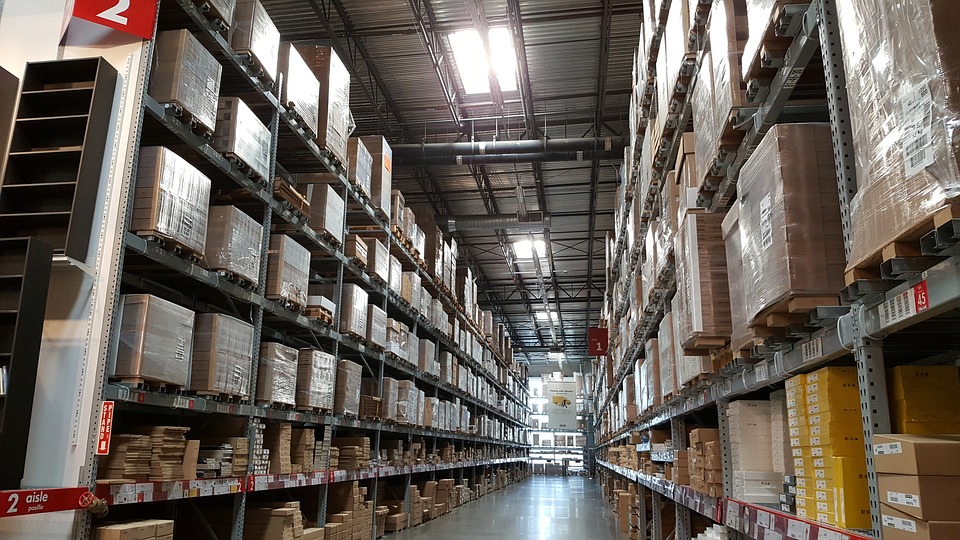
Every business owner should be aware that the true inventory cost goes far beyond the purchase cost. Actually, there are the following types of inventory costs: ordering costs or setup costs carrying costs or holding costs stock-out costs or shortage costs When you store your inventory in a warehouse or any other similar property, you […]
The Most Common Asset Depreciation Methods

Before we start explaining what is asset depreciation and what are the best depreciation methods, let’s first define the “fixed asset” term. Fixed assets, or capital assets, are long-term tangible pieces of property that a company owns, such as cars, computers, buildings, furniture, equipment, etc. Fixed assets are not expected to be consumed or converted […]
How to Calculate Beginning & Ending Inventory Costs

Beginning inventory, or opening inventory, is your inventory value at the start of an accounting period (typically a year or a quarter). Accordingly, ending inventory, or closing inventory, is the value of inventory at the end of an accounting period. These two figures are necessary to create an income statement of a company, and sometimes […]
Inventory Shrinkage & How To Account For It
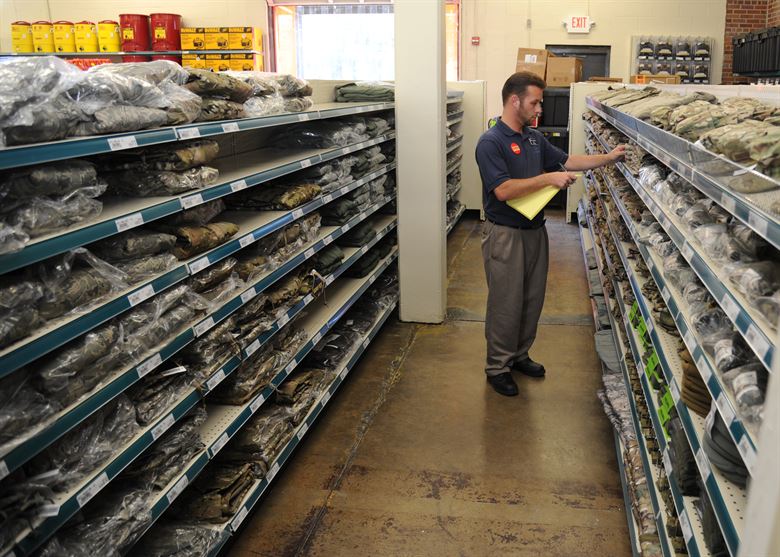
Inventory shrinkage is one of the most common problems in accounting, which can severely impact both the profits and reputation of the business. What is inventory shrinkage? Inventory shrinkage is the loss of inventory items from a warehouse or store. You can detect the inventory shrinkage when the on-hand inventory records of a retailer report […]
How to Conduct an Inventory Audit
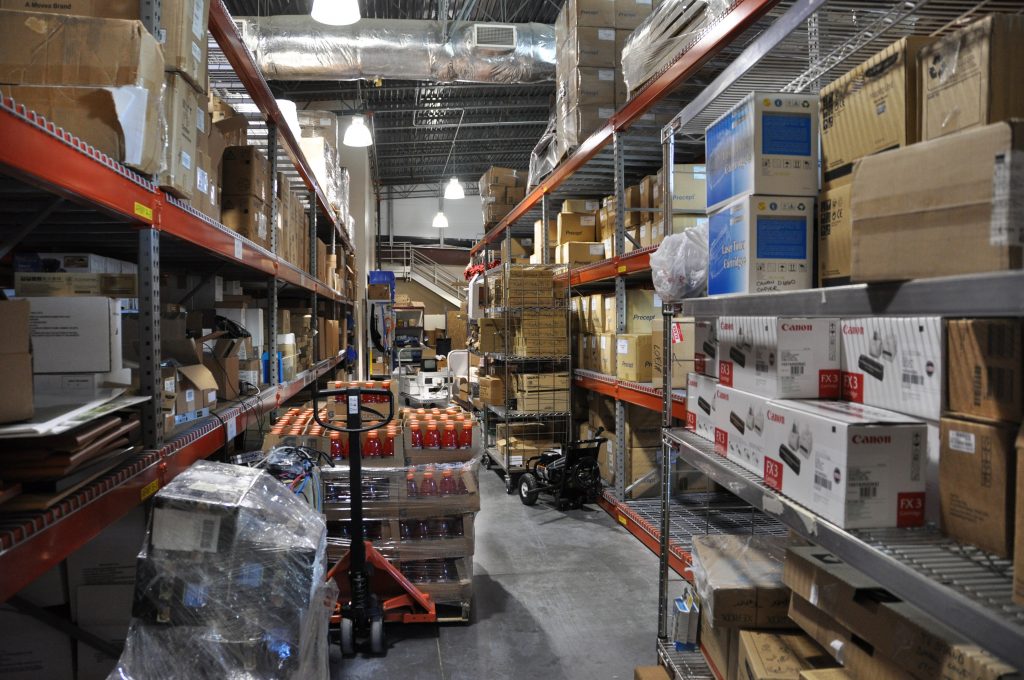
Every year the inventory and warehouse of every company should undergo inventory audit. Such regular inventory audits help to identify and prevent any potential issues in the inventory area, and can be done by either internal or external auditors. In this blog post, we are going to highlight the main warehouse audit procedures and see […]
Standard Inventory Valuation & Costing Methods
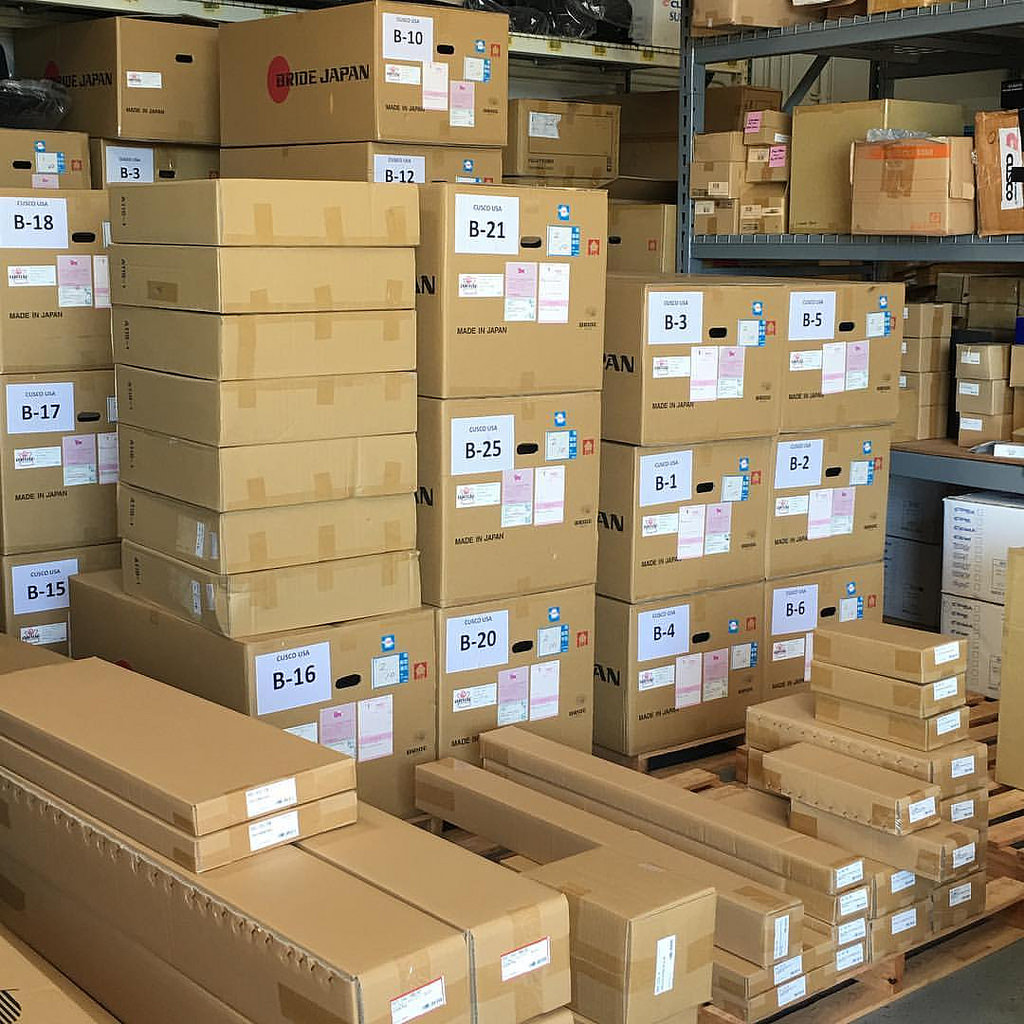
Inventory management can be intimidating, but valuation and costing is actually much simpler than it appears. Of course, there’s a lot that goes into it and it’s easy to lose direction. Instead of wondering why you’re leaking money or your valuation has been off, you should be actively seeking solutions, and this requires a little […]